About Flax Seeds
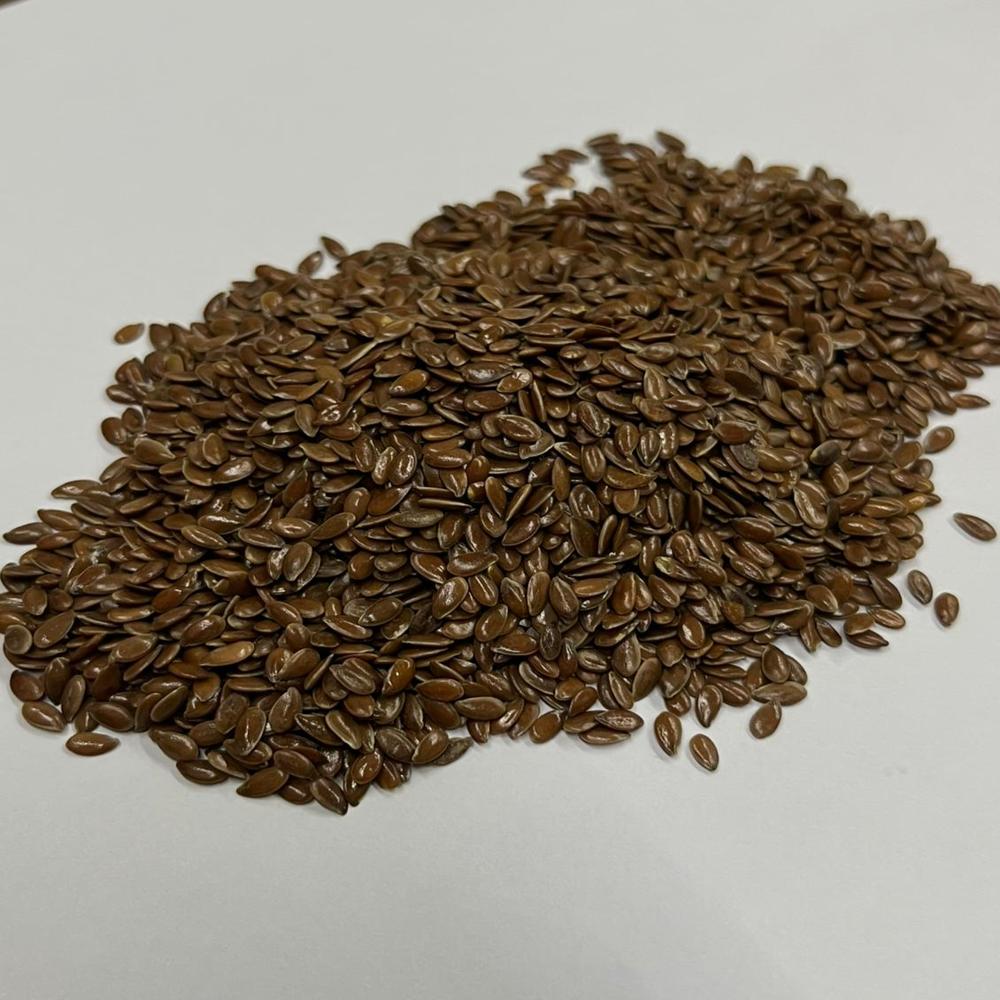
Natural flax seeds are tiny, nutrient-dense oilseeds that boast a mild, nutty flavor and a crispy texture. They are celebrated as a plant-based superfood packed with fiber, protein, and omega-3 fatty acids, making them an excellent daily dietary addition for supporting heart health and digestion
Nutrient-Dense Superfood for a Healthy LifestyleBrown flax seeds are rich in omega-3 fatty acids, dietary fiber, and lignans, proven to support cardiovascular health and digestive function. Their nutrient profile includes 534 kcal, 18.3g of protein, and 42.2g of healthy fats per 100g, making them perfect for health-focused consumers. The seeds' mild, nutty flavor enhances a wide variety of recipes, promoting both taste and wellness.
Versatile Culinary Uses and Easy IncorporationFlax seeds can be incorporated into baked goods, salads, smoothies, cereals, or consumed directly. Suitable for raw, roasted, or ground applications, they provide a subtle nuttiness to dishes. Grind the seeds for optimal nutrient absorption or use the seed extract in oil-based applications. Their natural, unprocessed state ensures purity and quality for all food-grade uses.
FAQ's of Flax Seeds:
Q: How should I use brown flax seeds in my daily diet?
A: You can consume brown flax seeds raw, roasted, or ground. They are easily added to cereals, smoothies, salads, or baked goods. Grinding the seeds may enhance nutrient absorption, while whole seeds add texture to recipes.
Q: What are the health benefits of including flax seeds in my meals?
A: Flax seeds are rich in omega-3 fatty acids, dietary fiber, and lignans. These nutrients help support heart health, improve digestion, and aid in weight management, making them an excellent addition to a balanced diet.
Q: When is the best time to consume flax seeds for maximum benefits?
A: Flax seeds can be consumed at any time of the day. Adding them to breakfast, snacks, or main meals helps maintain steady nutrient intake and supports prolonged satiety throughout the day.
Q: Where should flax seeds be stored to maintain freshness?
A: Store flax seeds in a cool, dry place, away from direct sunlight. Ensure they are kept in airtight, vacuum, HDPE, or PP bags to preserve their freshness and extend shelf life up to 12 months.
Q: What is the recommended process for preparing flax seeds before consumption?
A: You may eat flax seeds raw, but grinding or roasting them helps release more nutrients. To maximize their benefits, use a grinder or lightly roast before adding them to your recipes.
Q: Are flax seeds safe for people with gluten or other common allergies?
A: Yes, these brown flax seeds are 100% gluten-free, allergen-free, and non-GMO, making them suitable for most individuals with dietary restrictions.
Q: What makes your flax seeds products stand out in terms of purity and quality?
A: Our flax seeds are natural, unprocessed, and boast a purity level of 99%. Packaged for safe storage and extended shelf life, they offer superior quality as a nutrient-rich food ingredient.





 Send Inquiry


 Send Inquiry
 Send Inquiry
 Send SMS
